
What Separates a Wine Room from a True Wine Cellar?
Comparing a Wine Room vs. Wine Cellar
Wine collectors in Denver, CO often consider whether a wine room or a true cellar best suits their home and collection. Red Leaf Wine Cellars and Saunas creates custom wine storage solutions that unite thoughtful design with the conditions wine needs for proper care. The right choice depends on how long you plan to keep bottles, the size of your collection, and the experience you want to create.
What Is a Wine Room?
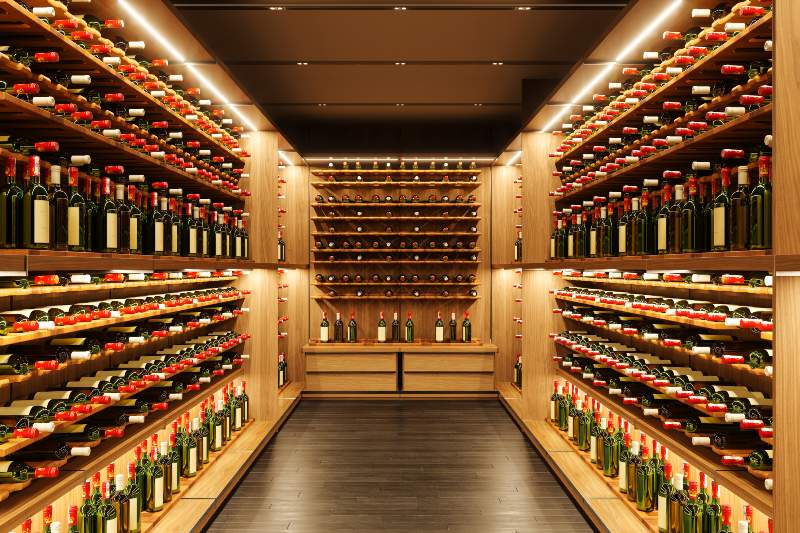
A wine room is a dedicated space for displaying, serving, and storing wine. It may feature glass walls, custom racking, architectural lighting, and a statement door. Many wine rooms use cooling equipment to maintain suitable conditions, while their design often places visual presentation at the center. This option works well for accessible collections and entertaining spaces.
What Is a Wine Cellar?
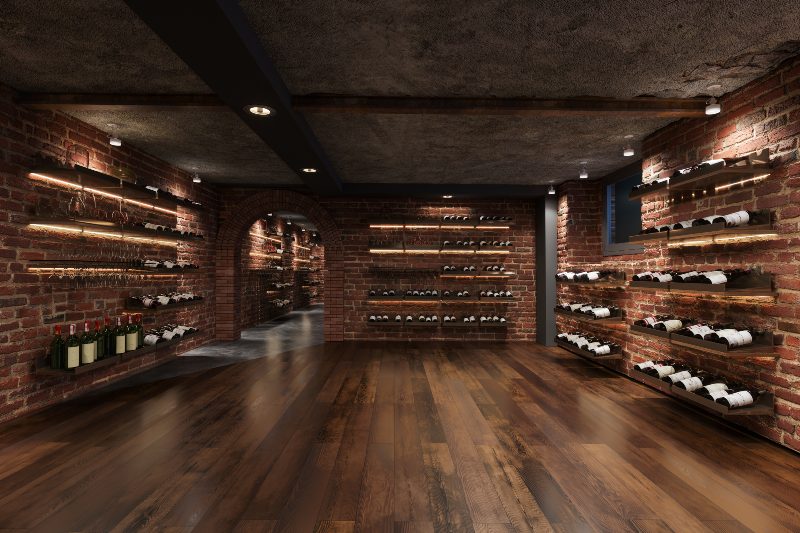
A wine cellar is a purpose-built wine storage room designed for long-term preservation and aging. It includes insulation, vapor protection, climate control, and materials selected to support stable interior conditions. A custom wine cellar can sit below grade or within a conditioned area of the home. Its construction protects a collection while creating a refined setting for tasting and display.
Wine Room vs. Wine Cellar: The Key Differences
Both options can elevate a home and provide an organized place for a collection. Their primary distinction involves the level of environmental control and the intended use of the space:
- Primary Purpose – A wine room often supports entertaining and display, and is expected to be used regularly. A wine cellar prioritizes storage and aging, with more stringent methods.
- Climate Systems – A cellar should have dedicated cooling, insulation, and vapor protection aspects. A wine room may use modern climate control systems, but it is typically focused more on the display aspect.
- Design Approach – Wine rooms often showcase glass, lighting, and views of the bottles, such as with custom wine racks. Cellars can include these details, but tend to prioritize the overall construction and preservation aspects of the space.
- Collection Scope – A wine room is better suited to storing wines that may be brought out more frequently. A cellar supports growing collections and wines held for long-term, future enjoyment.
Why Proper Wine Storage Conditions Matter
Wine benefits from a stable setting that supports its character over time. Temperature consistency, balanced humidity, low light, and minimal vibration all contribute to sound wine storage:
- Stable Temperature – Long-term wine storage typically ranges from 50°F to 60°F. Consistent temperatures are particularly important for aging bottles.
- Balanced Humidity – Humidity helps preserve cork condition and supports a dependable seal. A 50% to 80% range is widely considered suitable.
- Limited Light – Darker storage protects bottles from bright light exposure. Thoughtful lighting can preserve ambiance while keeping illumination controlled.
- Low Vibration – A calm wine storage room helps bottles rest undisturbed. Dedicated placement away from active household equipment supports this goal.
When a Wine Room Makes Sense
A wine room makes sense for homeowners who want their collection to play an active role in entertaining. It can become a focal point near a dining area, kitchen, lounge, or home bar. This approach suits collectors who enjoy adding new bottles frequently and want a polished display. Custom racking, glass features, and a door designed to complement the space can reflect the home’s interior style.
When Is a Wine Cellar the Better Choice?
A wine cellar is the better choice for collectors who plan to age wine or maintain a larger inventory. It offers a controlled setting focused on preservation, organization, and reliable performance. Wine cellar construction also creates flexibility for classic wood racking, stone finishes, glass walls, or a contemporary presentation. The result can serve both private enjoyment and gracious hosting.
Can a Wine Room Be Converted Into a Wine Cellar?
A wine room can become a wine cellar when the space can support the required construction and climate systems. The process may include insulation, vapor protection, dedicated cooling, door upgrades, and revised racking. A professional assessment helps determine how the existing space can meet the needs of the collection.
Design Considerations To Keep in Mind
A custom wine cellar’s design should align with the home’s architecture, the collection’s needs, and any existing plans for entertainment. Aligning these design decisions early creates a more cohesive result:
- Location – Select a space that supports efficient climate control and convenient access. Basement areas, dining spaces, and under-stair locations can each offer strong potential.
- Racking Layout – Custom wine racks should fit bottle sizes, collection volume, and display preferences. A considered layout also leaves room for future acquisitions.
- Materials – Wood, stone, metal, and glass can establish a distinct character. Material choices should complement the home while supporting the room’s performance needs.
- Access and Service – A carefully selected wine cellar door and accessible equipment area support everyday use. Cooling-system maintenance also helps protect the investment over time.
Create Your Custom Wine Cellar Today
Red Leaf Wine Cellars and Saunas brings more than 15 years of experience to wine cellar design, climate control, custom racking, and wine cooler service. Homeowners in the Denver, CO area can receive a free in-home consultation to explore the right solution for their space and collection. Reach out today to schedule your consultation, and let us bring your vision to life.