
Infrared vs. Traditional Saunas: Which Is Right for Your Home?
Metro Denver Area Infrared Sauna vs. Traditional Sauna
Red Leaf Wine Cellars and Saunas can help you choose the right option for relaxation with a Metro Denver area infrared sauna vs. traditional sauna comparison. Infrared and traditional saunas both support relaxation and wellness, but they heat the body in very different ways and fit different homes, routines, and design goals. Making the right choice for your home depends on your space, comfort preferences, energy use, and the kind of experience you want from your sauna. Learn more below from our home sauna comparison.
What Is an Infrared Sauna?
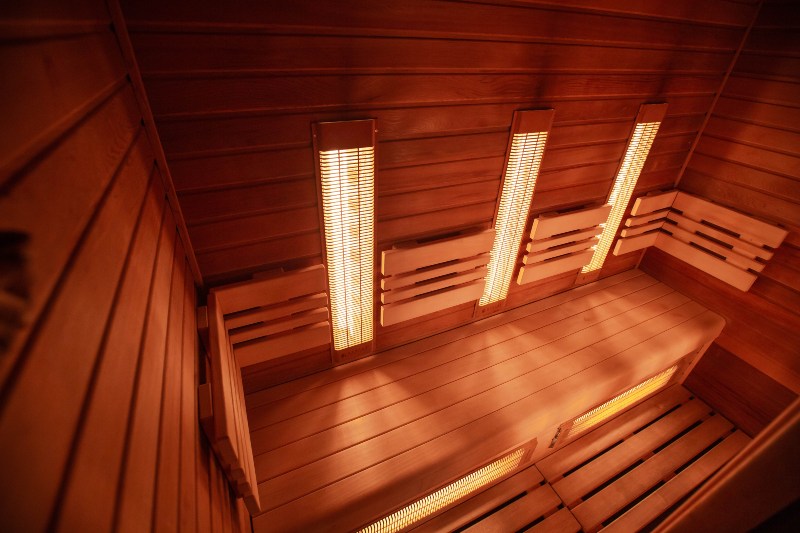
An infrared sauna uses panels or lamps that emit infrared light, which your skin absorbs as radiant heat. The air in the room stays cooler than in a traditional sauna, yet your body still warms deeply and gradually. Here’s what an infrared sauna offers:
- Gentle Operating Temperatures – Sessions usually run between 110°F and 140°F, which many people find easier to enjoy for longer periods.
- Deep-Body Heating – Infrared waves penetrate the tissue beneath the skin, so you feel warmth from the inside out rather than from hot air alone.
- Energy-Efficient Home Wellness – Infrared heaters draw less power and require less warm-up time than an electric sauna heater.
- Flexible Installation Options – Compact infrared cabins fit well in spare rooms, wellness corners near a wine cellar, or even larger walk-in closets with proper clearances and ventilation.
What Is a Traditional Sauna?
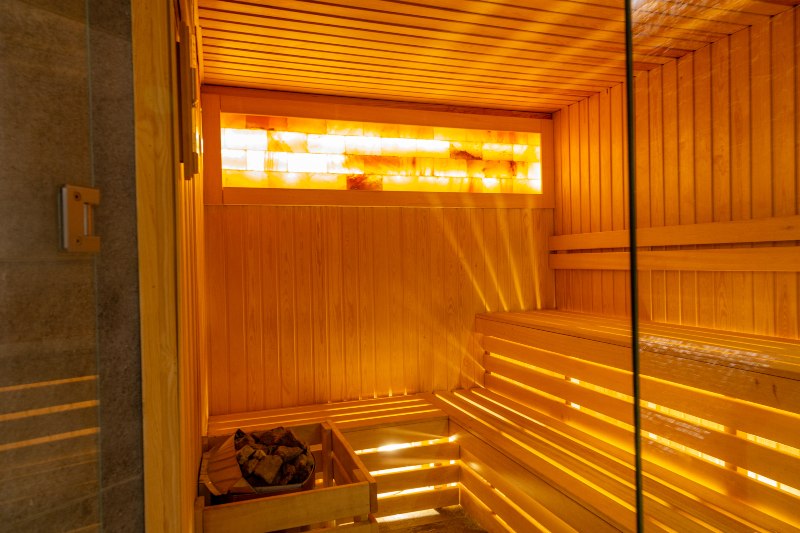
A traditional sauna uses an electric or wood-fired stove with stones to heat the air to higher temperatures. Many homeowners love the familiar feel of dry heat, the option to add steam, and the classic wood-lined interior. A traditional sauna offers the following benefits:
- Immersive Heat – Air temperatures often range from 150°F to 190°F, creating a strong warming effect the moment you sit down. You enjoy a deep, satisfying sweat in a shorter time.
- Classic Stove and Stones – A rock-filled heater radiates heat throughout the room, and you can pour water over the stones for steam.
- Traditional Sauna Feel – The familiar look of wood benches, glowing heater, and rising steam pairs nicely with opening a special bottle from your wine cellar after a session.
- Custom Layouts for Larger Rooms – Install a custom sauna with benches, lighting, and trim work for basements, near home gyms, and beside wine-tasting areas.
Infrared Sauna vs. Traditional Sauna Comparison
Both sauna types support relaxation, circulation, and overall wellness. The main differences appear in how they produce heat, how they feel, and how they fit into your home and routine. Here’s an overview of what they each offer:
- Heating Method and Feel – An infrared sauna warms your body directly with radiant heat, so the air stays milder, but you still sweat over time. A traditional sauna heats the air and then your body, creating a more immediate, enveloping wave of warmth.
- Temperature and Comfort – Infrared cabins run at lower air temperatures, which can feel comfortable even for those who prefer a softer environment. Traditional rooms feel hotter and more intense, which appeals to those who like a powerful, spa-style session.
- Energy Use and Warm-Up Time – Infrared systems typically draw less power per session and reach operating temperature quickly. Traditional electric heaters may use more energy and need more warm-up time, especially in larger rooms.
- Experience and Atmosphere – Infrared cabins feel calm and quiet, like a private wellness nook beside your wine cellar or home bar. Traditional saunas recreate the classic spa atmosphere with stones, steam, and thicker waves of heat that many people associate with sauna culture.
Which Sauna Is Best for Your Lifestyle?
Consider your daily routine, wellness goals, and entertaining style to determine which home sauna best suits your lifestyle. Here’s what works for each of the following situations:
- For Easy Daily Wellness – Infrared saunas suit frequent, moderate sessions before or after work. Lower temperatures make it simple to step in for a quick sweat.
- For Intense, Spa-Style Sessions – Traditional saunas appeal to those who enjoy stronger heat and a classic bathing ritual. These rooms often anchor home gyms or larger wellness suites.
- For Social Evenings and Guests – A traditional sauna that seats several people can become a highlight of parties. An infrared unit suits one or two people and fits well into compact spaces.
- For Long-Term Home Value – Both sauna types add value with thoughtful placement and stylish finishes. You can coordinate the design with your wine cellar, custom racks, and lighting.
Schedule a Free Consultation to Learn More
If you need assistance with comparing a Metro Denver area infrared sauna vs. a traditional sauna, Red Leaf Wine Cellars and Saunas is ready to help you. An infrared sauna offers efficient, gentle warmth and flexible installation for everyday wellness. In contrast, a traditional sauna delivers a classic high-heat experience that pairs beautifully with a larger wine cellar or home spa. Both options can transform underused square footage into a space where you relax, recharge, and enjoy your wine collection. Contact us today to request a free consultation.