
Budget-Friendly Ideas for Building a Home Wine Cellar
A dedicated home wine cellar is often viewed as a luxury reserved for expansive estates and unlimited budgets. However, with strategic planning and design, creating a functional and elegant space to store your collection is more attainable than many homeowners believe.
You can learn how to build a wine cellar on a budget without compromising on the essential conditions required for proper wine aging. Our guide provides ideas on budget-friendly cellars in Castle Rock, CO, to help you create the perfect storage environment for your investment.
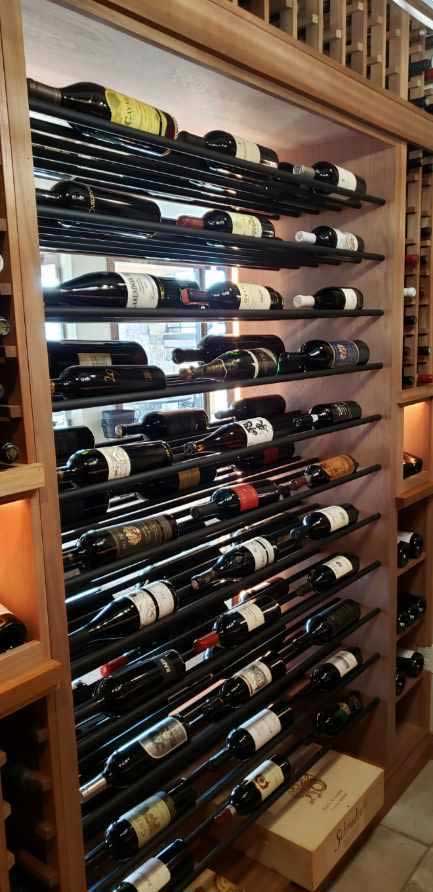
Start With Strategy: Define Scope, Space, and Spend
The first step in any construction project is careful planning. Before you begin, it is critical to define the scope of your wine cellar, identify the available space, and establish a realistic budget. Our team has found that these key steps to guide your planning process include:
- Determining the number of bottles you plan to store both now and in the future
- Assessing available space within your home for possible cellar locations
- Setting a budget that aligns with your goals and anticipated needs
- Identifying any unique requirements or preferences for design and function
- Consulting with a professional for custom design options and free in-home consultations
Consider the size of your current collection and how much you anticipate it will grow in the coming years. This will help determine the capacity necessary for your cellar. Answering the question of how much it costs to build a wine cellar depends entirely on these initial decisions.
A smaller, well-designed space can be just as effective as a large, elaborate one. A clear plan will serve as your roadmap, preventing costly changes and ensuring the result meets your expectations.
Smart Space Planning for Small or Awkward Areas
You do not need a large, dedicated room to build a proper wine cellar. Many homes in the Castle Rock area have underutilized spaces that are perfect for a conversion. Consider a portion of a basement, a closet under the stairs, or an awkward corner in a finished lower level.
These areas often provide a naturally cooler and more stable environment, which can reduce climate control costs. With custom wine racks and thoughtful design, even the most unconventional spaces can be transformed into a sophisticated and efficient wine storage area.
The key is to maximize vertical space and select racking that fits the unique dimensions of your chosen location.
Affordable Materials That Look Premium
Creating a high-end look does not require the most expensive materials. Many affordable options have a premium aesthetic. Consider the following budget-friendly materials:
- Engineered wood: Offers the look of real wood at a lower price, and is durable for wine racking.
- Sealed concrete: Provides a sleek, modern appearance and helps maintain a stable cellar temperature.
- Reclaimed wood: Adds unique character and rustic charm while being environmentally friendly.
- Metal racking: Cost-effective, sturdy, and available in contemporary styles.
- Laminate surfaces: Mimic the appearance of natural stone or wood without the high cost.
The Essentials: Insulation, Vapor Barrier, and Sealing
Properly preparing the space is the most critical factor in successful wine storage. No matter your budget, you cannot skip the fundamentals of insulation, a vapor barrier, and a complete seal. The goal is to create an airtight envelope that prevents temperature fluctuations and humidity swings.
Use closed-cell spray foam insulation or rigid foam boards to ensure a high R-value. A vapor barrier of at least 6-mil plastic sheeting should be installed on the warm side of the insulation to prevent moisture from entering the cellar.
Finally, ensure the space is completely sealed, paying close attention to the door, which should be an exterior-grade, weather-stripped model to prevent air leakage.
Budget Climate Strategies: From Passive to Hybrid Cooling
Maintaining a consistent temperature and humidity is crucial for preserving the quality of your wine. A full-scale, dedicated wine cellar cooling unit is ideal but can be a significant expense. For those on a tighter budget, a passive or hybrid approach may be suitable.
A passive cellar relies on its location, typically a subterranean basement, and excellent insulation to maintain a naturally stable and cool environment. A hybrid approach might involve using a standard window air conditioning unit in conjunction with a separate temperature controller, which is a more affordable alternative to a specialized system.
For minor adjustments, our wine cooler repair and maintenance services can ensure your existing equipment runs efficiently.
Moisture, Mold, and Maintenance
Once your cellar is built, ongoing vigilance is necessary to protect your collection. Uncontrolled moisture can lead to mold growth, which can damage labels, corks, and even the structural integrity of your cellar. Ensure proper air circulation and monitor humidity levels regularly.
A simple hygrometer will allow you to track the environment and make adjustments as needed. Regular maintenance, such as checking seals and ensuring your cooling system is functioning correctly, will prevent costly problems from developing. Proactive care is the most budget-friendly way to preserve both your cellar and your wine.
Ready to Design Your Budget-Friendly Wine Cellar?
Building a home wine cellar on a budget is an achievable goal with the right expertise and planning. At Red Leaf Wine Cellars and Saunas, we specialize in custom wine cellar design that balances function, aesthetics, and cost.
We also offer custom-designed infrared saunas and installation services to enhance your home. Contact us today to schedule a free in-home consultation in Castle Rock, CO, and let us help you create the wine cellar you have always wanted.